Random Picks#1
Devil's Gate
4.0#1
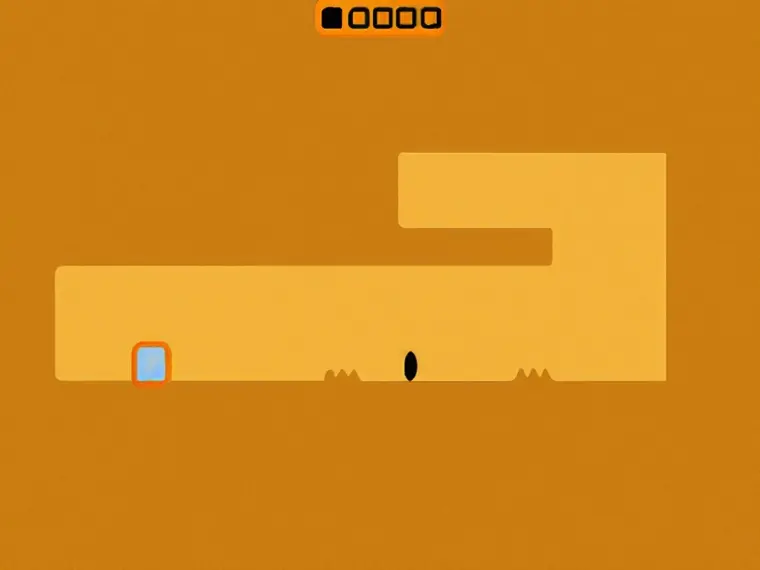
Devil's Gate is a platformer game where players guess trap locations on maps to avoid death, testing rationality and reflexes with each critical step.
4.0Platformer
Play Now FreeGlide In is a 3D casual puzzle game centered on puck shooting, set on vibrant game boards where players act as puck shooters aiming to sink the puck into target holes. The game emphasizes precise aiming and timing, requiring players to drag the puck back to adjust angle and power before releasing it to glide. Levels feature obstacles such as red walls that deduct chances upon contact, and green bounce pads that assist in navigation. Multiple puck skins, like unicorn and donut themes, add visual variety in a sleek, colorful style. Players must complete 5 consecutive challenges per level to unlock the next, with failures prompting retries, fostering practice and strategic thinking. The overall atmosphere is light and engaging, suitable for players of all ages to enjoy puzzle-solving fun.
In Glide In, the core gameplay revolves around skill-based puzzle challenges. Each level displays a game board with a target hole and obstacles like red walls. Players click or tap the puck, drag it backward to set the shot's angle and strength, and release to send it gliding. Success requires sinking the puck into the hole within three attempts. The game consists of multiple levels, each comprising 5 consecutive challenges; completing all unlocks the next level. Players can use green bounce pads to optimize trajectories and avoid red hazards to conserve chances. As progress advances, difficulty increases with more complex layouts and precision demands, testing spatial judgment and reaction speed.
The controls are straightforward: players use a mouse or touchscreen to click and hold the puck, then drag backward to adjust the shot's angle and power; releasing shoots the puck. No complex buttons are needed, relying solely on drag-and-release actions for easy learning. On mobile devices, touch gestures replicate this functionality. The design prioritizes smooth interaction, allowing players to focus on aiming and timing without a steep learning curve.
Devil's Gate is a platformer game where players guess trap locations on maps to avoid death, testing rationality and reflexes with each critical step.

An online maze generator that lets you draw routes, adjust difficulty, and share challenge links with friends.

Quickly judge math equations before the timer runs out, solo or two-player duel to sharpen mental math speed.