Random Picks#1
Devil's Gate
4.0#1
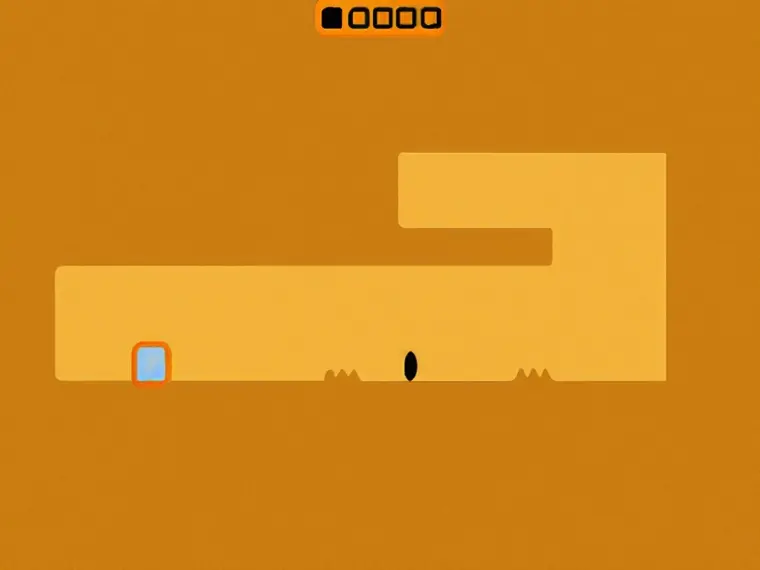
Devil's Gate is a platformer game where players guess trap locations on maps to avoid death, testing rationality and reflexes with each critical step.
4.0Platformer
Play Now FreeLast Seen Online is a psychological horror escape room game where players take on the role of someone who buys an old computer from a garage sale and turns it on without formatting it. The game centers on exploring the computer's files, which are portrayed as an extension of the original owner's soul, containing their secrets, projects, and interactions. Through puzzle-solving, players gradually uncover a narrative about loneliness, online life, and psychological distress, ultimately revealing the true identity and fate of the computer's owner. With a retro style that pays homage to early Flash games, it creates a tense and thought-provoking atmosphere, appealing to fans of deep storytelling and horror elements.
In Last Seen Online, players explore a virtual desktop and file system of an old computer by clicking and interacting to solve puzzles. Core gameplay involves finding hidden clues, solving logic puzzles, and exploring the environment to advance the story. Players face challenges such as cracking codes, interpreting symbols, and manipulating virtual interfaces, all designed to integrate seamlessly with the computer setting. The game emphasizes exploration and critical thinking, encouraging experimentation without time limits, while maintaining a suspenseful atmosphere for immersion. As progress is made, new areas and story elements are unlocked, leading to the revelation of the computer owner's secrets and the game's themes.
The game supports keyboard, mouse, touchscreen, and smartphone inputs. Primary controls involve using the mouse to click on objects on the screen for interactions, such as opening files, dragging items, or typing text. The keyboard can be used for menu navigation or specific puzzles, while touchscreen and smartphone inputs provide touch support for mobile play. The interface is intuitive, allowing players to explore the computer desktop, folders, and applications through clicks, with all controls designed to be user-friendly to enhance the puzzle-solving experience.
Devil's Gate is a platformer game where players guess trap locations on maps to avoid death, testing rationality and reflexes with each critical step.

An online maze generator that lets you draw routes, adjust difficulty, and share challenge links with friends.

Quickly judge math equations before the timer runs out, solo or two-player duel to sharpen mental math speed.