Random Picks#1
Devil's Gate
4.0#1
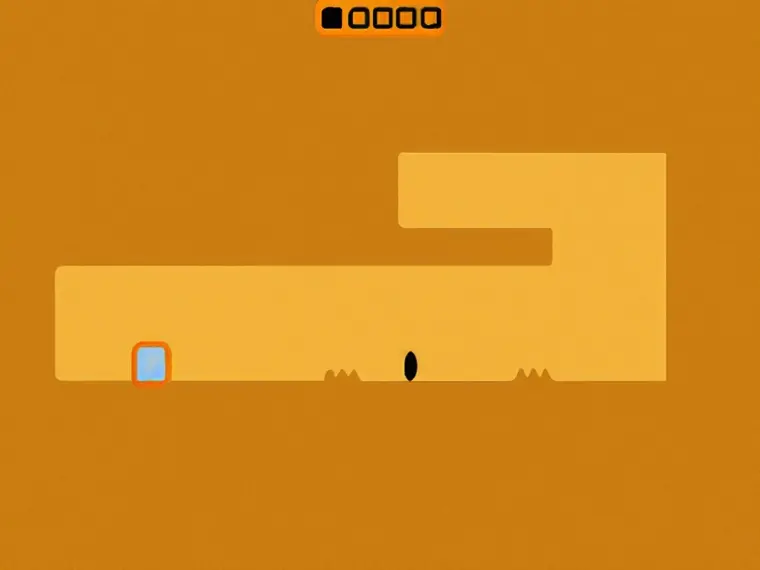
Devil's Gate is a platformer game where players guess trap locations on maps to avoid death, testing rationality and reflexes with each critical step.
4.0Platformer
Play Now FreeMonopoly is a classic strategy board game originating from the 1904 Landlord's Game, patented in 1935 by Parker Brothers based on an Atlantic City version, and now operated by Hasbro. With over 500 million copies sold worldwide, it is one of the most popular board games. Players act as real estate tycoons, rolling dice to move tokens, buying unowned properties, charging rent to opponents, and using special squares like Chance cards and Jail to gain advantages or create obstacles. Set on a virtual city board, the game requires strategic investment and trading to expand one's property empire, with the ultimate goal of bankrupting all opponents to achieve a monopoly. It emphasizes economic management, negotiation skills, and luck elements, making it suitable for family and friend gatherings.
Players take turns rolling dice to move tokens, performing actions based on landing spots: if a property is unowned, it can be bought from the bank or auctioned; if owned, rent must be paid to the owner. Special squares on the board, such as Chance cards, can provide benefits or penalties, while Jail squares restrict movement until a double is rolled or bail is paid. Players can build houses and hotels on properties to increase rent income. Core gameplay involves property acquisition, rent collection, trade negotiations, and risk management, with victory achieved by accumulating wealth and forcing opponents into bankruptcy. Strategies include prioritizing red and orange properties, building houses quickly, and handling jail situations cautiously in late game.
Use mouse or touchscreen for selection, clicking, and dragging actions, including rolling dice, buying properties, paying rent, trading properties, building houses and hotels, and other interactions.
Devil's Gate is a platformer game where players guess trap locations on maps to avoid death, testing rationality and reflexes with each critical step.

An online maze generator that lets you draw routes, adjust difficulty, and share challenge links with friends.

Quickly judge math equations before the timer runs out, solo or two-player duel to sharpen mental math speed.