Random Picks#1
Devil's Gate
4.0#1
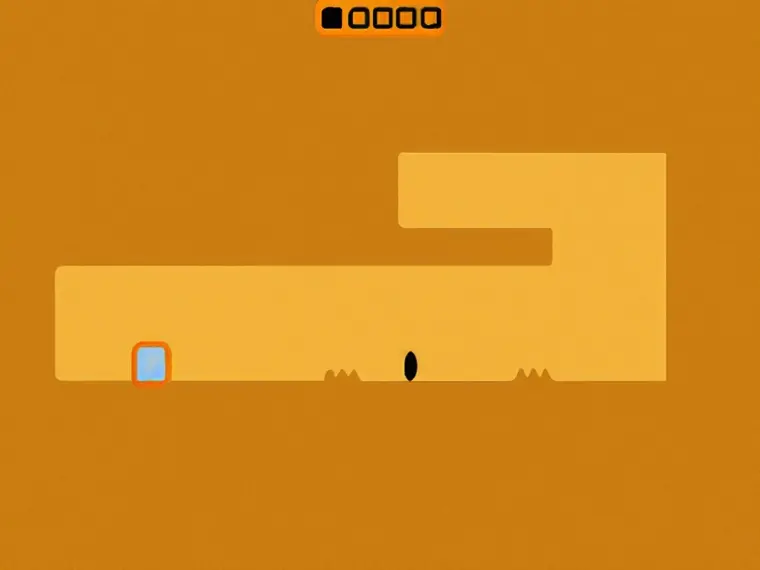
Devil's Gate is a platformer game where players guess trap locations on maps to avoid death, testing rationality and reflexes with each critical step.
4.0Platformer
Play Now FreeRelaxing Games 30 in 1 is a browser-based game collection developed by Fennec Labs and released on April 14, 2026. It features 30 independent puzzle mini-games, all unlocked from the start, allowing players to switch freely without progression pressure. The core theme focuses on relaxation and decompression, using simple physics interactions and visual feedback, such as bubble popping and candy sliding, to create a tranquil atmosphere. Optional ASMR audio enhances immersion, making it suitable for quick sessions on mobile or desktop devices as a brief mental escape. The game emphasizes a non-competitive, time-free experience, enabling players to unwind in just a few minutes.
The core gameplay revolves around 30 independent puzzle mini-games, each designed to be simple and accessible. Players can freely select any game from the main menu without needing to unlock them in order. Common game types include bubble popping, where players click or drag to match and pop bubbles; candy sliding, involving moving candies to complete puzzles; and physics-based interactions, such as manipulating objects to achieve goals. There are no time limits or failure penalties, encouraging exploration and experimentation. Progress is auto-saved, allowing players to pause and resume at any time, ideal for short breaks. The overall experience prioritizes relaxation and satisfaction over challenge or skill development.
The game supports mouse and touchscreen controls. On desktop devices, use the mouse to click, drag, and release for interactions like popping bubbles or sliding candies. On mobile devices, perform the same actions by touching the screen. The interface is intuitive, often with clear prompts, and does not require complex key inputs.
Devil's Gate is a platformer game where players guess trap locations on maps to avoid death, testing rationality and reflexes with each critical step.

An online maze generator that lets you draw routes, adjust difficulty, and share challenge links with friends.

Quickly judge math equations before the timer runs out, solo or two-player duel to sharpen mental math speed.